Snowy destinations travel
Winter travel sounds romantic until you’re standing in an airport wearing three layers, juggling a delayed boarding pass, and wondering why your phone battery just dropped from 20% to zero. Cold-weather trips come with their own set of challenges, and they tend to show up all at once. That’s why winter travel works best when you plan for reality, not the brochure version.
Whether you’re heading to snowy winter destinations, navigating Thanksgiving travel congestion, or planning festive getaways later in the season, a little foresight makes a noticeable difference.
Layering Is Smarter Than Packing Heavy
Winter packing often goes wrong because you assume more equals better. Extra sweaters, bulky jackets, and thick socks feel reassuring until your suitcase refuses to close. Instead of packing your entire closet, focus on layering.
A simple three-layer system works almost everywhere. Start with a base layer that sits close to your skin, add a middle layer for warmth, and finish with an outer layer that blocks wind and moisture. This approach lets you adapt easily when moving between freezing streets and overheated cafés.
Wear your heaviest coat while traveling so it doesn’t eat up luggage space. This small decision makes airports, trains, and budget travel logistics much easier to manage.
Expect Delays and Plan for Them Early
Winter weather doesn’t respect itineraries. Snowstorms, ice, and high winds regularly cause flight delays, especially during peak travel periods. If you fly, reserving earlier flights provides you additional options if something goes wrong later in the day.
Leave some space between connections and retain important things in your carry-on. You should always have medicine, phone chargers, food, and a warm layer close by. You should also download applications for airlines. They often change gates and rebook flights faster than the screens at the airport.
Travel insurance can assist with paying for cancellations and missing connections, which happen a lot more in the winter on lengthy or foreign travels.
Cold Weather Is Tough on Electronics
If your phone has ever shut down unexpectedly in the cold, you’re not imagining it. Batteries drain faster in low temperatures, which is frustrating when you rely on your device for maps, tickets, or hotel details.
Keep electronics close to your body instead of in outer pockets. Carry a portable charger and avoid leaving devices in cold cars overnight. In extreme winter conditions, hand warmers tucked near your phone can help maintain battery life. These small habits prevent unnecessary stress when you’re on the move.
Choose Footwear for Conditions
Streets in the winter are rarely forgiving. When you have to walk through snow, slush, or ice, even short walks are harder, especially if you’re carrying baggage or going to a new city.
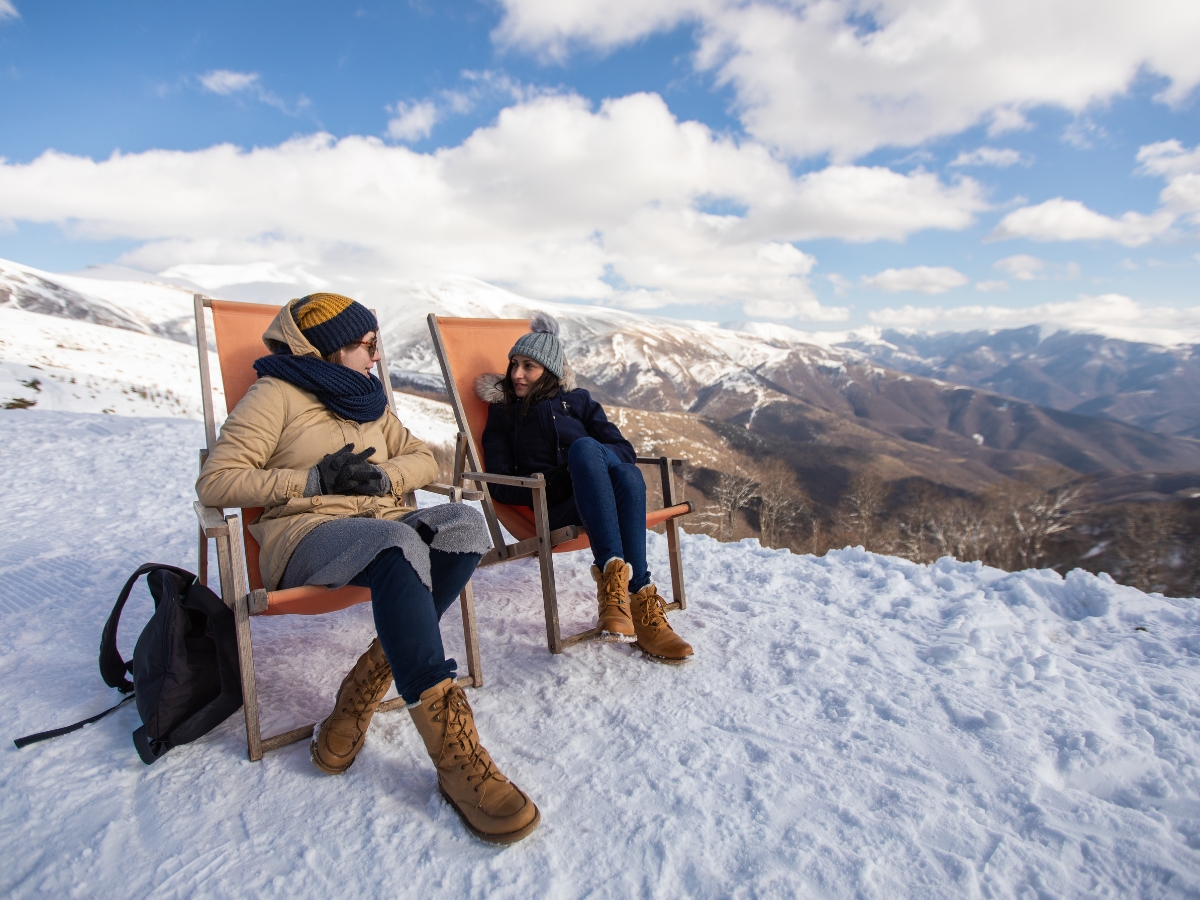
Find shoes that are waterproof, have decent grip, and have room for warm socks. Easy on-and-off designs make airport security less painful. If you’re planning visits to Christmas markets or long walking days, comfortable shoes matter far more than fashion statements.
Winter packing tips
Hydration Still Matters in Cold Weather
You might not feel thirsty in winter, but dehydration happens quickly. Cold air, heated indoor spaces, and long travel days quietly drain your body.
Drinking water consistently helps reduce fatigue, prevent headaches, and keep your skin from drying out. Carry a reusable bottle and sip throughout the day, especially during flights and train journeys. Staying hydrated makes winter travel days feel noticeably easier.
Warmth Comes From the Details
Bulky coats help, but the smaller accessories often make the biggest difference. Gloves that work with touchscreens, scarves that double as neck support on planes, and insulated hats all help regulate body heat.
Hand warmers are lightweight and surprisingly useful during long outdoor stretches. A compact travel blanket can also make flights and overnight journeys more comfortable. These items add warmth without adding bulk to your luggage.
Plan Smarter With Modern Travel Tools
Winter travel planning has changed. Many travelers now use Gen AI trip planning tools to compare routes, monitor prices, and spot seasonal risks. These tools are especially useful for identifying the best time to book Christmas flights or planning budget Christmas markets in Europe before prices climb.
Gen Z travel trends for 2026 show a shift toward shorter, experience-focused trips, including set-jetting travel trends inspired by films and shows. If affordability matters, early planning helps uncover the top 5 affordable European Christmas market breaks for 2025 before demand peaks.
Travel Prepared, Not Perfect
Winter travel rarely unfolds exactly as planned, and that’s normal. What helps is being prepared enough to adapt. Smart layering, realistic schedules, proper footwear, and attention to hydration all reduce stress when conditions change.
When you plan with winter realities in mind, cold-weather travel becomes less about managing discomfort and more about enjoying the experience. A little preparation goes a long way when temperatures drop, airports fill up, and plans need flexibility.